
Summer is here, and with it comes soaring temperatures, longer days, and the temptation to keep your air conditioner running around the clock.
When the heat becomes overwhelming, it can feel like your AC is the only thing standing between you and a sweltering home. But while air conditioning can provide immediate relief, running it all day can significantly increase your electricity usage and lead to higher energy bills.
For many households across the United States, summer is one of the most expensive times of year when it comes to energy costs. As temperatures rise, so does demand for electricity, putting pressure on both your wallet and the electrical grid.
The good news?
Staying comfortable during the summer doesn’t have to mean blasting your AC 24/7. In fact, there are several practical ways to keep your home cool, reduce your electricity consumption, and lower your environmental impact at the same time.
In this guide, we’ll explore why cooling costs increase during the summer, how excessive AC use affects your energy bill, and simple strategies to stay cool without running your air conditioner all day long.

Why Summer Energy Bills Tend To Be Higher
Before discussing solutions, it’s important to understand why electricity bills often spike during the summer months.
Air conditioners are among the most energy-intensive appliances in the average home. During periods of extreme heat, many systems run continuously just to maintain a comfortable indoor temperature. The harder your AC works, the more electricity it consumes.
At the same time, summer often brings additional energy usage, including:
- Increased use of fans and cooling equipment
- More frequent laundry loads
- Refrigerators working harder to stay cool
- Additional electronics being used while family members are home
As demand for electricity rises across entire communities, energy systems must work harder to meet that demand. This increased consumption can contribute to higher energy costs and a larger environmental footprint.
The challenge isn’t necessarily avoiding air conditioning altogether. Instead, it’s finding ways to use it more efficiently while reducing the amount of time it needs to run.
The Hidden Cost Of Running Your AC All Day
When outdoor temperatures soar, many homeowners set their thermostat to a comfortable temperature and leave it there all day.
While this may seem like the easiest solution, it often leads to unnecessary energy consumption.
Your air conditioner doesn’t simply cool the air once and stop. It continuously cycles on and off to maintain the temperature you’ve selected, and on particularly hot days, this can mean hours of operation.
The result?
- Higher electricity bills
- Increased wear and tear on your cooling system
- Greater energy consumption
- Increased greenhouse gas emissions associated with electricity production
For environmentally conscious households, reducing unnecessary cooling usage is one of the easiest ways to lower their overall energy footprint without sacrificing comfort.

Use Your Windows Strategically
One of the simplest ways to stay cool without AC is to use your windows strategically throughout the day.
Many people unknowingly allow heat to enter their homes by leaving blinds or curtains open during peak sunlight hours.
During the hottest part of the day:
- Close blinds, curtains, and shades on sun-facing windows
- Use blackout curtains when possible
- Keep windows closed while outdoor temperatures are higher than indoor temperatures
In the evening, when temperatures begin to drop:
- Open windows to allow cooler air inside
- Create cross-ventilation by opening windows on opposite sides of your home
- Use window fans to encourage airflow
This simple habit can significantly reduce indoor temperatures without consuming additional electricity.
Let Ceiling Fans Do The Heavy Lifting
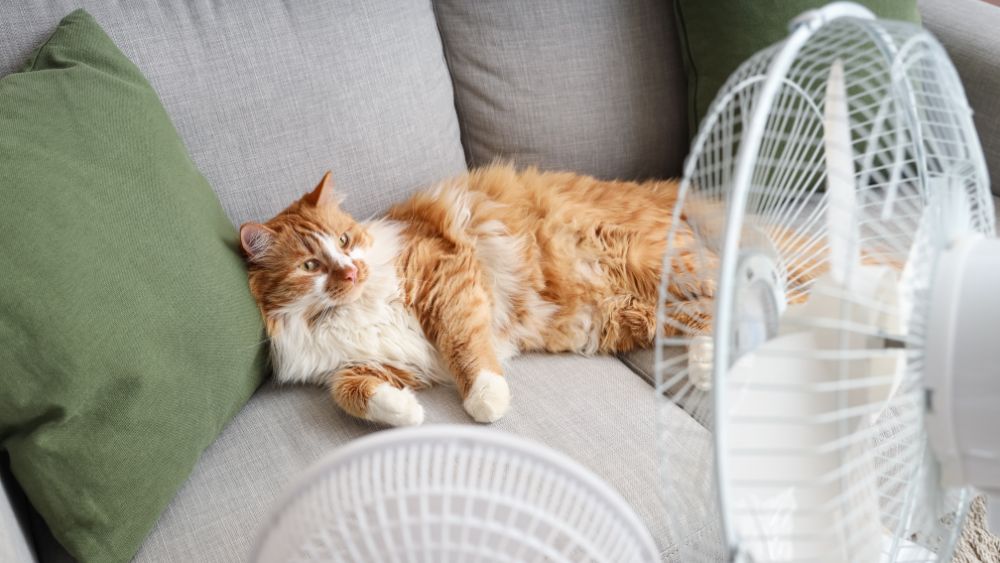
If you’re looking for ways to stay cool without running your AC all day, ceiling fans can make a noticeable difference.
While fans do not actually lower the temperature of a room, they create a wind-chill effect that helps your body feel cooler.
During summer:
- Set ceiling fans to rotate counterclockwise
- Use medium to high speeds when rooms are occupied
- Turn fans off when rooms are empty
Because fans use far less electricity than air conditioning systems, they can help maintain comfort while reducing overall energy consumption.
For many households, combining fans with a slightly higher thermostat setting can result in meaningful energy savings throughout the summer.
Block Heat Before It Enters Your Home
The best way to cool your home is often to prevent it from heating up in the first place. Sunlight streaming through windows can quickly raise indoor temperatures, forcing your air conditioner to work harder.
Some effective ways to block heat include:
- Installing thermal curtains
- Using reflective window films
- Adding exterior shades or awnings
- Planting trees near sun-exposed areas
- Using weather stripping around doors and windows
These improvements not only help during the summer but can also improve energy efficiency year-round.
Avoid Creating Extra Heat Indoors
Many common household activities generate heat without us realizing it.
During hot weather, consider minimizing activities that increase indoor temperatures, such as:
Using The Oven
Cooking large meals in the oven can raise the temperature inside your home significantly.
Instead, try:
- Outdoor grilling
- Slow cookers
- Air fryers
- Microwaves
- No-cook meals and salads
Running Appliances During Peak Heat
Dishwashers, dryers, and washing machines all generate heat.
Whenever possible, run these appliances:
- Early in the morning
- Later in the evening
- During cooler parts of the day
This simple adjustment can help keep indoor temperatures lower while reducing strain on your cooling system.
Stay Hydrated And Dress For The Weather
Sometimes staying cool isn’t just about cooling your home.
Your body’s ability to regulate temperature plays an important role in overall comfort. Simple ways to stay comfortable include:
- Drinking plenty of water throughout the day
- Wearing lightweight, breathable fabrics
- Using cooling towels
- Taking cool showers when needed
- Avoiding strenuous activity during peak afternoon heat
While these habits may seem obvious, they can reduce the need to rely solely on air conditioning for comfort.
Upgrade To Energy-Efficient Cooling Solutions
If you do use air conditioning, making sure your system operates efficiently is essential. Some easy upgrades include:
- Replacing dirty air filters regularly
- Scheduling seasonal maintenance
- Installing a programmable thermostat
- Sealing air leaks throughout the home
- Upgrading older equipment when necessary
Even small efficiency improvements can reduce energy usage and help lower your summer electricity bills.
Create A Cooler Home Naturally
Many homeowners are surprised by how much indoor temperatures can be influenced by landscaping and home design choices.
Strategic landscaping can provide natural cooling benefits by:
- Creating shade around windows
- Reducing direct sunlight exposure
- Lowering surrounding surface temperatures
Trees are particularly effective because they not only block sunlight but also release moisture into the air through a natural process called transpiration.
In fact, shaded neighborhoods can often feel noticeably cooler than areas with little vegetation.
For homeowners interested in both affordability and sustainability, planting trees can be a long-term investment that benefits both the environment and future energy bills.
Why Energy Conservation Matters Beyond Your Home
Reducing AC usage isn’t only about saving money. Every kilowatt-hour of electricity that isn’t consumed helps reduce demand on the energy grid.
Lower demand can contribute to:
- Reduced strain during peak summer periods
- Improved grid reliability
- Lower overall emissions
- Greater long-term sustainability
Small actions taken by individual households can collectively have a significant impact on communities and the environment. That’s why energy conservation remains one of the most effective tools for building a cleaner energy future.
At a time when more Americans are looking for ways to reduce their environmental impact, simple cooling habits can make a meaningful difference.
Choosing An Electricity Supplier That Supports Your Goals
Energy efficiency is an important piece of the puzzle, but it’s not the only factor that affects your monthly electricity costs.
The electricity supplier you choose can also influence your overall energy experience.
Many consumers don’t realize they have options when it comes to their energy provider. Choosing a supplier that prioritizes affordability, transparency, and environmental responsibility can help you better align your energy choices with your personal values.
Whether your goal is lowering monthly costs, supporting cleaner energy initiatives, or both, finding a supplier that understands those priorities can make a difference. The right energy partner should help you navigate rising energy costs while supporting a more sustainable future for your community.
Final Thoughts: Staying Cool Doesn’t Have To Cost A Fortune
When summer temperatures rise, it’s natural to rely on air conditioning for relief. But keeping your AC running all day isn’t the only way to stay comfortable.
Simple changes like improving airflow, blocking sunlight, using fans effectively, adjusting daily routines, and improving energy efficiency can help keep your home cooler while reducing electricity consumption.
The benefits extend beyond lower energy bills. You’ll also reduce strain on the electrical grid and support a cleaner, more sustainable future. This summer, challenge yourself to try a few of these energy-saving strategies. You may be surprised by how comfortable your home can stay, and how much you can save, without running your air conditioner around the clock.



0 Comments